Water is one of our most precious resources, yet it’s easy to take for granted when it flows freely from our taps every day. The good news is that conserving water doesn’t require major lifestyle changes or expensive upgrades. Small adjustments to daily habits can add up to significant savings on your utility bill while helping protect our local water supply for future generations.
In the Bathroom
The bathroom is where most household water gets used, so it’s the perfect place to start making changes. A standard showerhead uses about 2.5 gallons per minute, which means a 10-minute shower consumes 25 gallons of water. Cutting your shower time by just two or three minutes can save thousands of gallons over the course of a year. If you’re not ready to rush through your routine, consider installing a low-flow showerhead, which can reduce water usage by 25 to 60 percent without sacrificing water pressure.
Turning off the faucet while brushing your teeth is another simple habit that makes a real difference. Letting the water run for two minutes while you brush wastes about four gallons each time. The same principle applies to shaving—fill the sink basin with a few inches of water to rinse your razor instead of running the tap continuously.
Toilets are often the biggest water users in the home, especially older models that can use up to six gallons per flush. If replacing your toilet isn’t in the budget right now, you can place a sealed plastic bottle filled with water or pebbles in the tank to displace some of the water and reduce how much is used per flush. Just make sure it doesn’t interfere with the flushing mechanism.
In the Kitchen
The kitchen offers plenty of opportunities to cut back on water use. When washing dishes by hand, don’t let the water run while scrubbing. Fill one basin with soapy water for washing and another with clean water for rinsing, or use a dish rack and rinse everything at once at the end. If you have a dishwasher, make sure to run it only when it’s full. Modern dishwashers are actually more water-efficient than hand washing when used properly, using as little as three to five gallons per cycle.
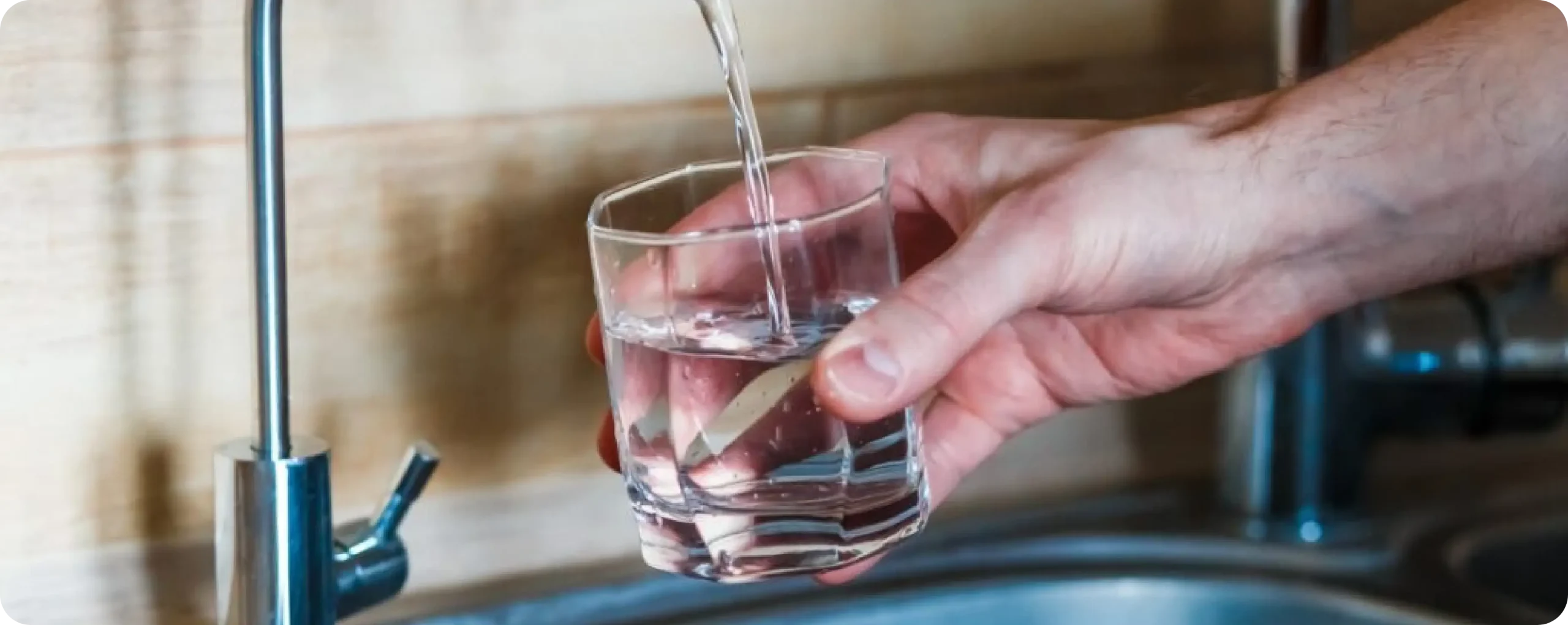
Keep a pitcher of drinking water in the refrigerator instead of running the tap and waiting for it to get cold. This simple switch can save several gallons a day. When cooking, use just enough water to cover your food when boiling vegetables or pasta, and consider steaming instead, which uses less water and retains more nutrients.
Thawing frozen food in the refrigerator overnight instead of under running water is another easy change. It takes a little more planning but saves a surprising amount of water over time.
In the Yard and Garden
Outdoor water use can account for 30 percent or more of total household consumption, especially during summer months. Watering your lawn and garden in the early morning or evening reduces evaporation, meaning more water actually reaches your plants’ roots. Avoid watering on windy days when water gets blown away before it can soak in.
Adjusting your sprinklers to water the lawn rather than the sidewalk or driveway prevents waste. Consider replacing some lawn areas with drought-tolerant native plants that require less watering once established. Mulching around trees, shrubs, and garden beds helps retain soil moisture and reduces how often you need to water.
If you wash your car at home, use a bucket and sponge instead of a running hose, or take it to a car wash that recycles water. A running hose can use 10 gallons per minute, so even a quick rinse adds up fast.
Finding and Fixing Leaks
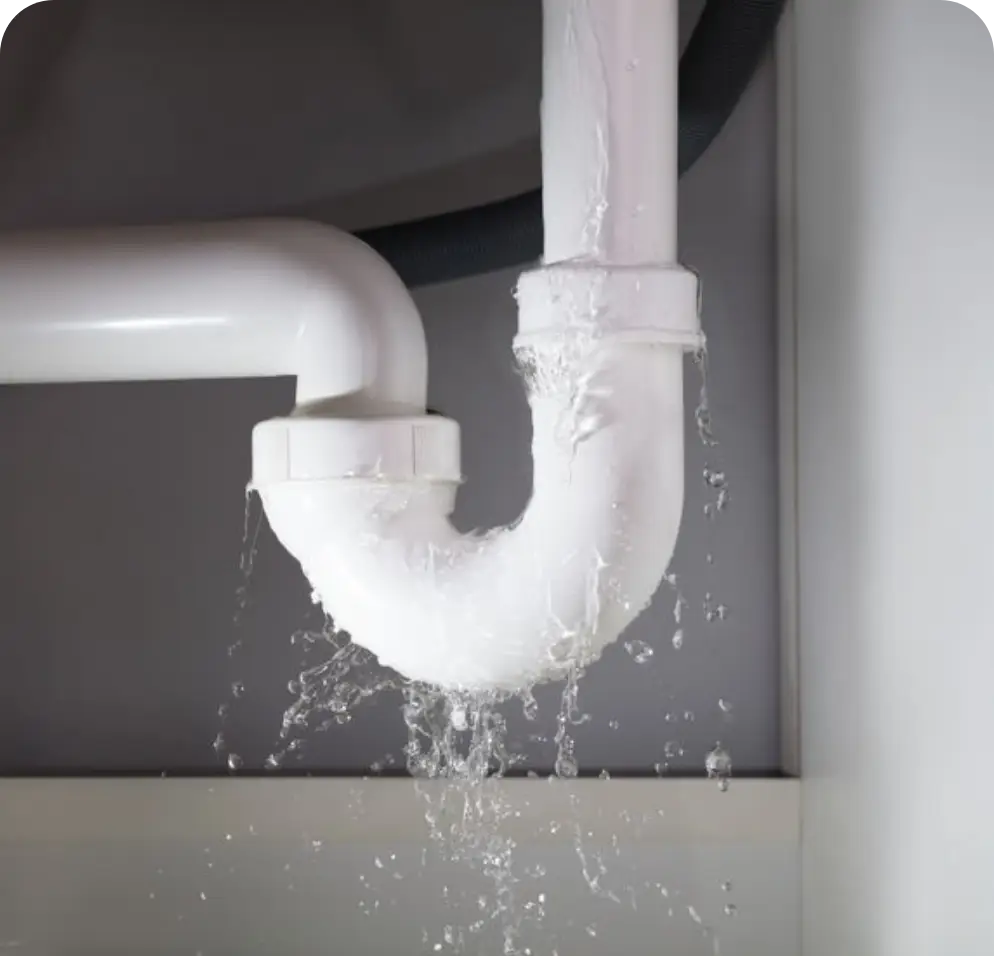
One of the most effective ways to save water is to fix leaks promptly. A dripping faucet might seem minor, but it can waste more than 3,000 gallons per year. A running toilet can waste even more—sometimes 200 gallons a day or more. To check for a toilet leak, add a few drops of food coloring to the tank and wait 15 minutes without flushing. If color appears in the bowl, you have a leak that needs repair.
Check exposed pipes, faucets, and hose connections regularly for drips. Your water meter can also help you detect hidden leaks. Read the meter, avoid using any water for two hours, then read it again. If the reading has changed, you likely have a leak somewhere in your system.
Every Drop Counts
Saving water doesn’t have to be complicated or inconvenient. By making a few conscious choices each day, you can reduce your water usage, lower your bills, and contribute to the health of our community’s water supply. Start with one or two changes this week, and you might be surprised how quickly they become second nature.