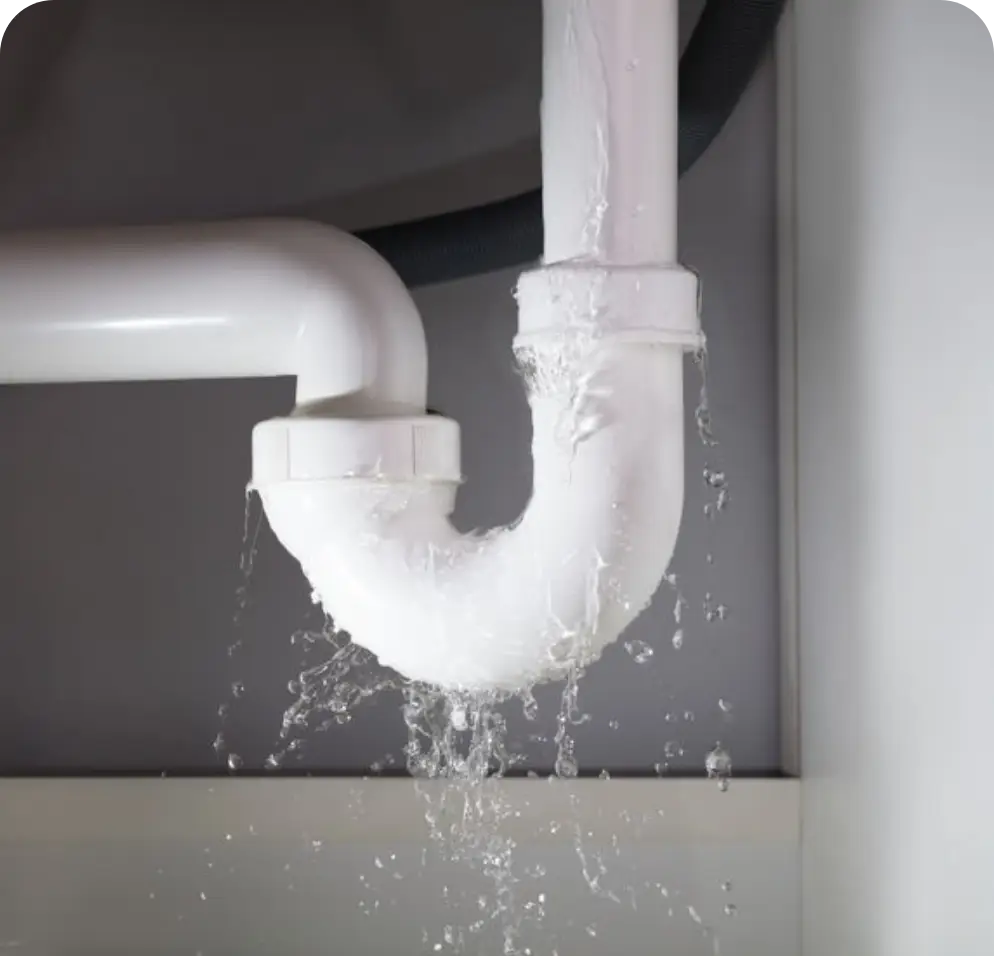
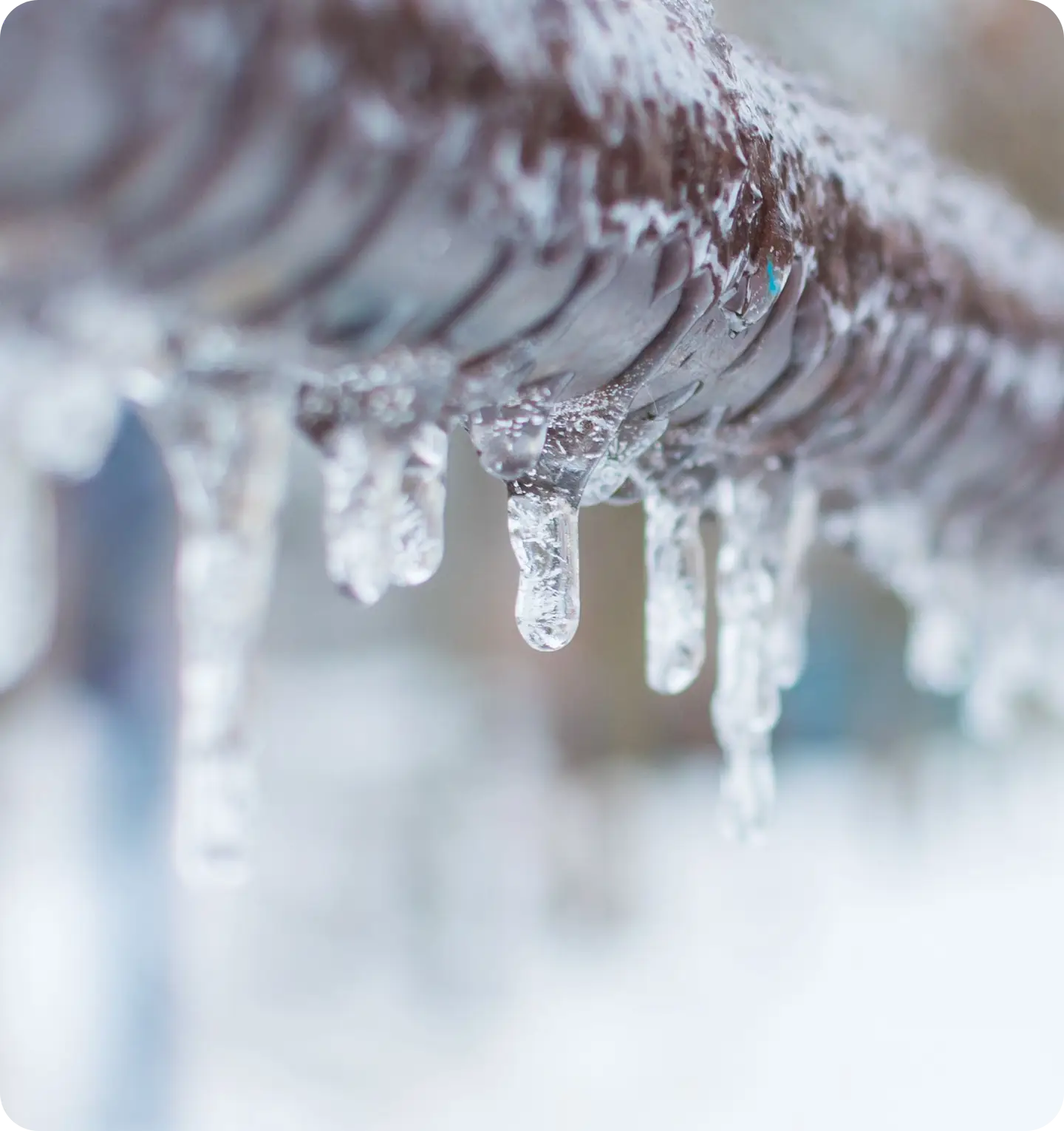
As temperatures drop, frozen pipes become one of the most common and costly problems homeowners face. When water freezes inside a pipe, it expands and can create enough pressure to crack or burst the pipe, leading to serious water damage and expensive repairs. The good news is that a little preparation before cold weather arrives can protect your home and save you from emergency plumbing calls in the middle of winter.
Know Your Vulnerable Pipes
Not all pipes are equally at risk. The most vulnerable are those in unheated areas of your home, including garages, crawl spaces, attics, and basements. Pipes running along exterior walls or in cabinets under sinks on outside walls are also more likely to freeze. Take a walk through your home before winter sets in and identify where your water lines run. Knowing which pipes are most exposed helps you focus your winterization efforts where they matter most.
Insulate Exposed Pipes
Pipe insulation is inexpensive and easy to install. Foam pipe sleeves or wrapping can be found at any hardware store and simply slide or wrap around exposed pipes. Pay special attention to pipes in unheated spaces and any that have frozen in previous winters. For pipes in particularly cold areas, you might consider heat tape or heat cables, which provide a low level of warmth to prevent freezing. Just be sure to follow the manufacturer’s instructions carefully, as improper installation can create fire hazards.
Protect Outdoor Faucets and Hoses
Outdoor hose bibs and faucets are especially prone to freezing because they’re directly exposed to the elements. Before the first hard freeze, disconnect all garden hoses and drain any remaining water from them. Leaving a hose connected can trap water in the faucet and the pipe leading to it, increasing the risk of a burst pipe inside your wall.
If your home has shut-off valves for outdoor faucets, close them and open the outdoor faucet to let any remaining water drain out. Insulated faucet covers, available at hardware stores for just a few dollars, provide an extra layer of protection and are well worth the small investment.
Keep the Heat On
If you’re planning to travel during the winter months, resist the temptation to turn your heat off completely. Keeping your thermostat set to at least 55 degrees helps maintain enough warmth inside your walls and floors to prevent pipes from freezing. The cost of running your furnace at a lower setting is far less than the cost of repairing water damage from a burst pipe.
On particularly cold nights, opening cabinet doors under kitchen and bathroom sinks allows warmer room air to circulate around the pipes. If you have pipes that have frozen before despite other precautions, letting a faucet drip slightly during extreme cold can help prevent freezing. Moving water is harder to freeze than standing water, and the small amount of water used is negligible compared to the damage a frozen pipe can cause.
Watch for Warning Signs
Knowing the early signs of frozen pipes can help you act before a small problem becomes a disaster. If you turn on a faucet and only a trickle comes out, or if no water comes out at all, you may have a frozen pipe. Frost visible on exposed pipes is another obvious indicator.
If you suspect a pipe is frozen, act quickly but carefully. Keep the faucet open so water can flow through once the ice begins to melt. You can apply gentle heat using a hair dryer, heat lamp, or portable space heater, working from the faucet back toward the frozen section. Never use an open flame or torch to thaw pipes, as this creates a serious fire risk and can damage the pipe itself.
If you can’t locate the frozen section, can’t access it safely, or if you discover a pipe has already burst, shut off your main water supply immediately and call a licensed plumber.
Don’t Forget Your Water Meter
Your water meter is another component that needs protection from freezing temperatures. Make sure the lid to your meter box fits securely and consider adding insulation inside the box if you live in an area with particularly harsh winters. Avoid piling snow on top of the meter box, as this can actually trap cold air inside. If you notice any damage to your meter or meter box, contact the Water District so we can make repairs before freezing weather arrives.
A Little Prevention Goes a Long Way
Taking an hour or two to winterize your plumbing before cold weather hits is one of the best investments you can make as a homeowner. The supplies are affordable, the work is straightforward, and the peace of mind is priceless. If you have questions about protecting your home’s water system this winter, don’t hesitate to reach out to us.